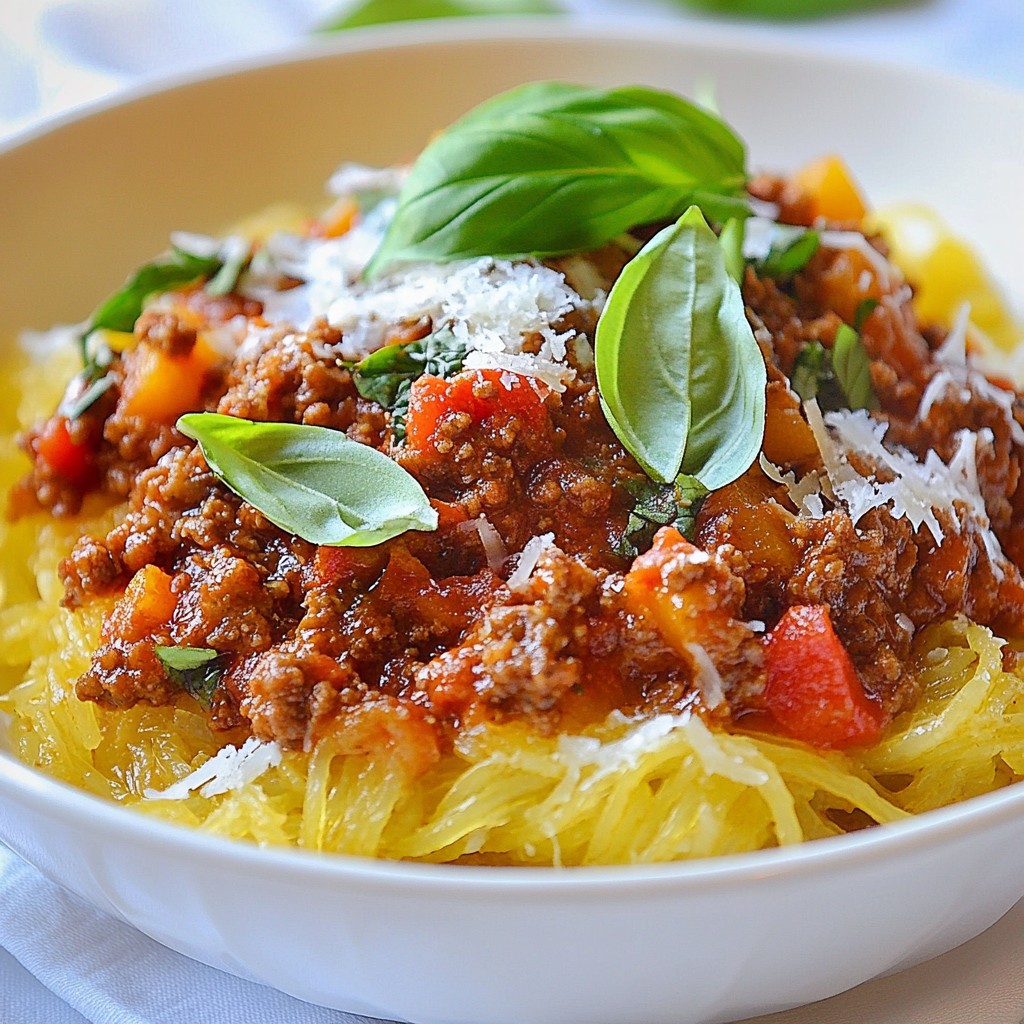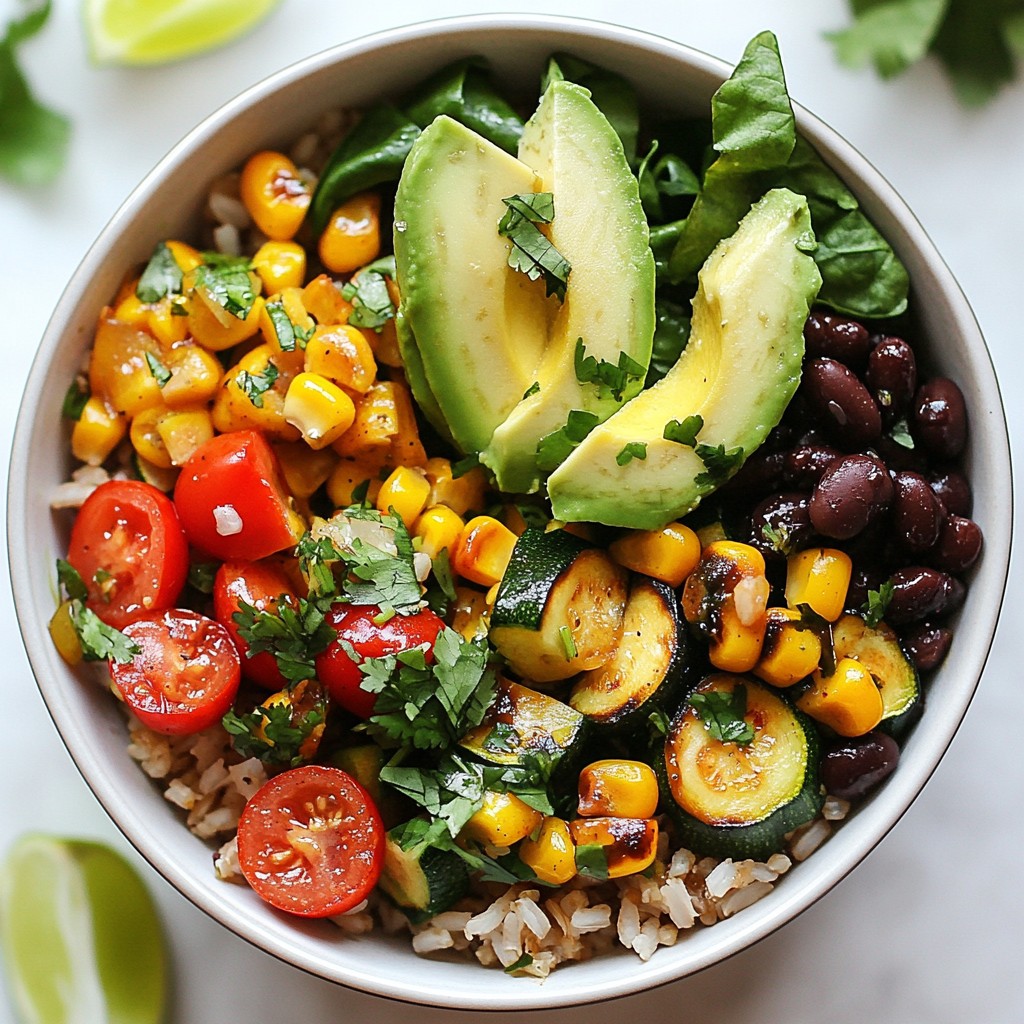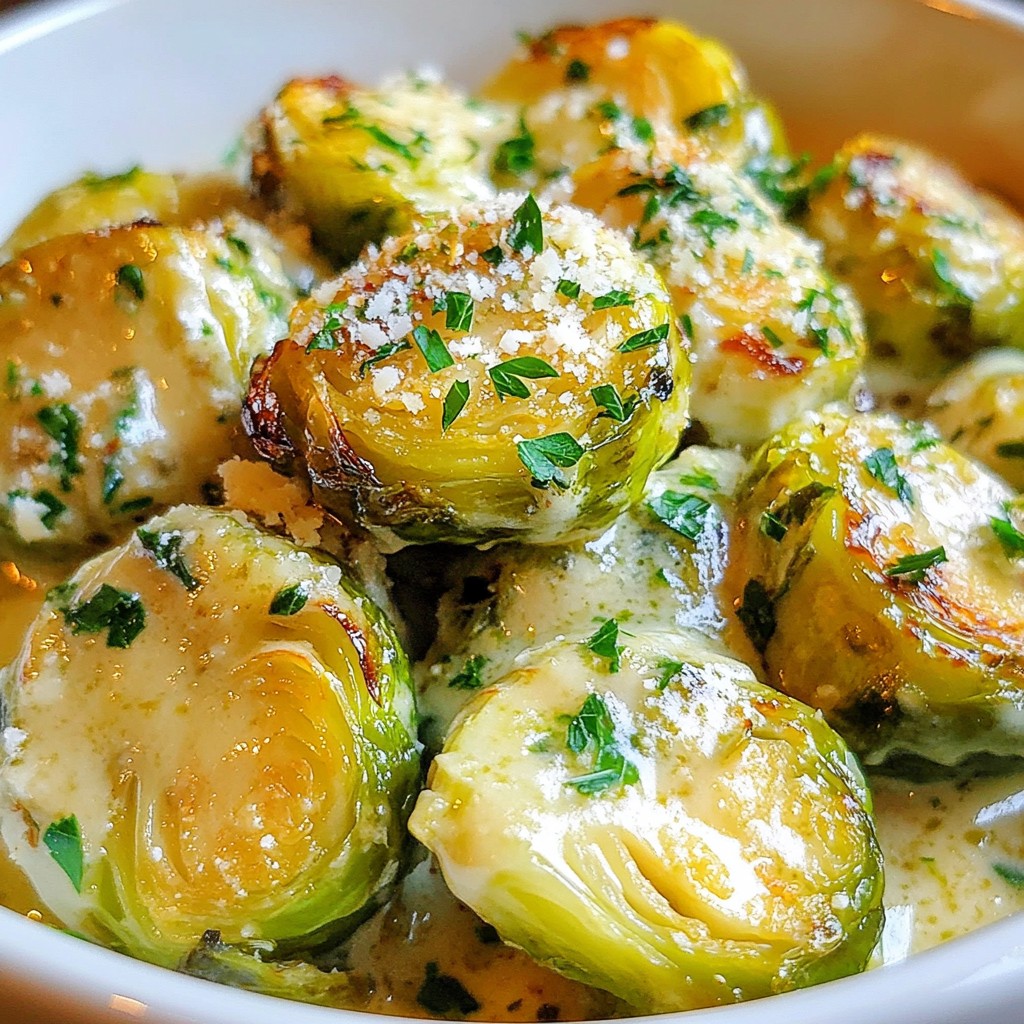
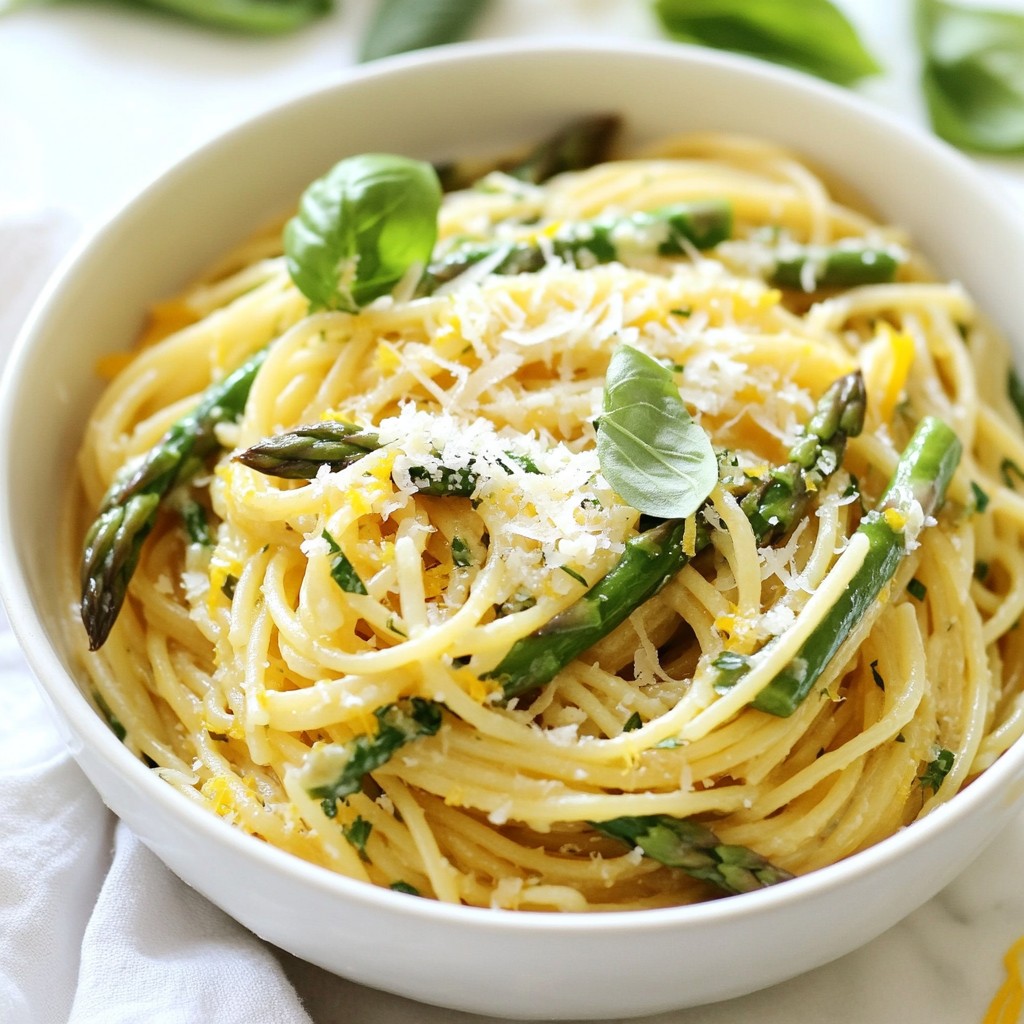
Looking for a quick and tasty meal? Lemon Garlic Asparagus Pasta might be your answer! This dish combines fresh asparagus, tangy lemon, and savory garlic for a delightful flavor explosion. Whether you're a busy parent or a student, this recipe fits your schedule. Ready to impress your taste buds? Let’s dive into the steps and ingredients you need to make this delicious pasta dish in no time!
Why I Love This Recipe
- Bright and Fresh Flavors: This dish combines the zesty brightness of lemon with the earthy taste of asparagus, creating a refreshing and vibrant meal that's perfect for any season.
- Quick and Easy: With a total preparation time of just 25 minutes, this recipe is perfect for busy weeknights when you want something delicious without spending hours in the kitchen.
- Customizable: You can easily swap the asparagus for other veggies or change the type of pasta, making this recipe versatile and adaptable to your pantry staples.
- Healthy and Satisfying: This pasta dish is not only full of nutrients from the fresh asparagus but also provides a satisfying meal with the addition of whole grain pasta and healthy fats from olive oil.
Ingredients
Main Ingredients
- 8 oz spaghetti (or any pasta of your choice)
- 1 bunch of fresh asparagus, trimmed and cut into 2-inch pieces
- 3 tablespoons extra virgin olive oil
- 4 cloves garlic, finely minced
Flavor Enhancers
- Zest of 1 large lemon
- 2 tablespoons freshly squeezed lemon juice
- 1/2 teaspoon red pepper flakes (optional, for a kick)
- 1/4 cup freshly grated Parmesan cheese (or nutritional yeast for a vegan alternative)
Garnishes
- Fresh basil or parsley, torn into small pieces, for garnish
- Salt and freshly cracked black pepper to taste
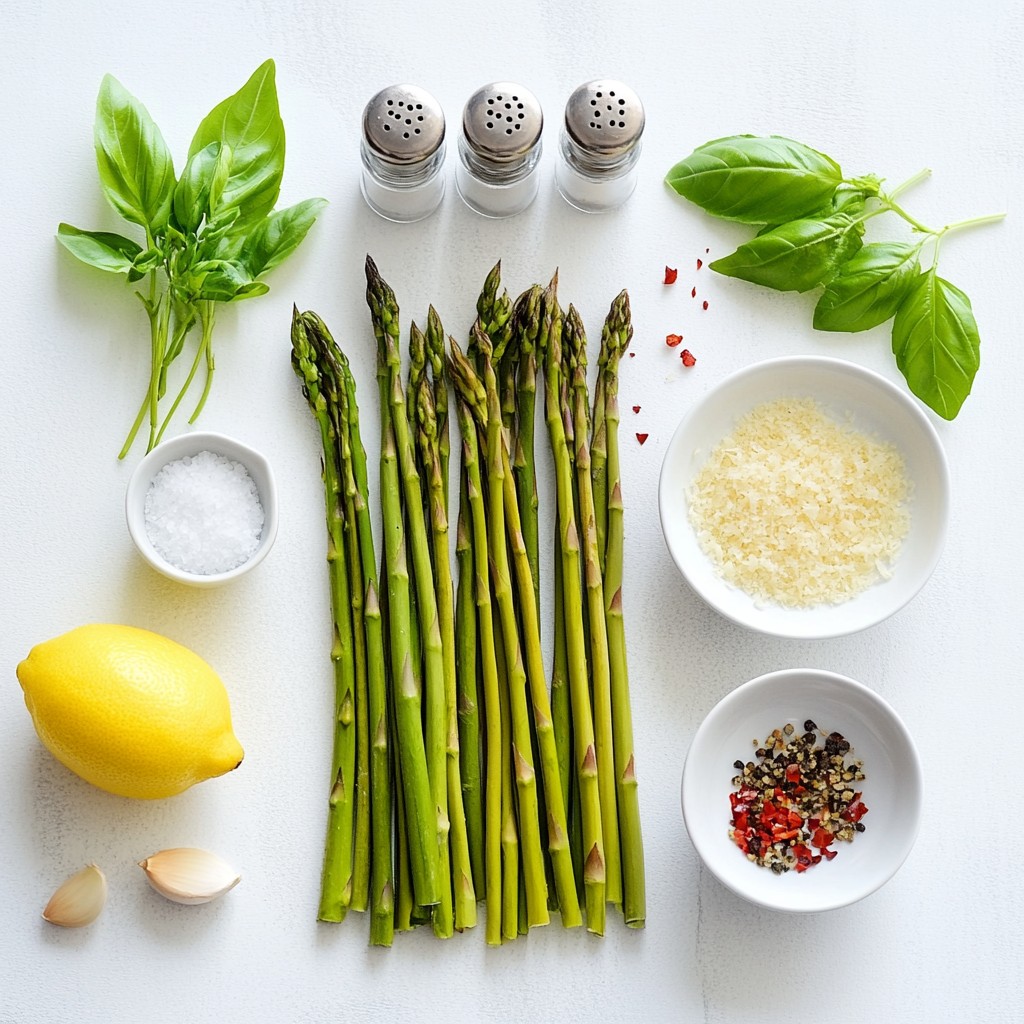
When I prepare Lemon Garlic Asparagus Pasta, I focus on fresh, vibrant ingredients. Using high-quality olive oil enhances the flavor. Fresh asparagus adds a nice crunch and bright color. The garlic gives the dish depth and warmth.
For flavor, lemon zest and juice bring a zesty brightness. Red pepper flakes provide a hint of heat, but you can skip them if you prefer. Parmesan cheese adds richness and umami. If you want a vegan option, nutritional yeast works well instead.
Finally, fresh herbs like basil or parsley brighten up the dish. Don’t forget to season with salt and pepper to taste. This simple combination brings out the best in each ingredient, making your meal delightful and satisfying.
Step-by-Step Instructions
Cooking the Pasta
Start by boiling a large pot of salted water. This adds flavor to the pasta. Once the water is boiling, add 8 ounces of spaghetti or your choice of pasta. Cook the pasta according to the package instructions. We want it al dente, which means it should be firm but not hard. This usually takes about 8 to 10 minutes. Before you drain, save one cup of the pasta water. This water helps adjust the sauce later.
Sautéing Asparagus
Next, grab a large skillet and heat 3 tablespoons of extra virgin olive oil over medium heat. When the oil is hot, add the trimmed and cut asparagus pieces. Sauté them for about 3 to 4 minutes. Stir them occasionally. You want the asparagus to turn bright green and stay slightly crisp. This keeps the dish fresh and bright.
Infusing Garlic Flavor
Now, it's time to add some flavor. Toss in 4 finely minced cloves of garlic with the asparagus. Sauté for another 1 to 2 minutes. Keep stirring to make sure the garlic doesn't burn. Burnt garlic can taste bitter, which we do not want in our dish!
Combining Ingredients
Lower the heat a bit. Add the zest of one large lemon and 2 tablespoons of freshly squeezed lemon juice into the skillet. If you like a little kick, sprinkle in 1/2 teaspoon of red pepper flakes. Stir gently to mix everything well. Let it cook for one more minute. This helps all the flavors blend together.
Mixing Pasta with Sauce
Now, add the drained pasta to the skillet. Toss it gently with the asparagus and garlic mixture. If the dish looks dry, use the reserved pasta water. Add it a few tablespoons at a time until the sauce reaches your desired consistency. This step makes the pasta silky and smooth.
Final Seasoning and Serving
Finally, season your pasta with salt and freshly cracked black pepper to taste. Take the skillet off the heat, and sprinkle 1/4 cup of grated Parmesan cheese on top. Toss it gently to mix the cheese throughout. To serve, divide the pasta among bowls. Top with fresh basil or parsley for a pop of color and flavor. Enjoy your delicious lemon garlic asparagus pasta!
Tips & Tricks
Cooking Pasta Perfectly
Salting the water is key. It adds flavor to the pasta. Use about 1-2 tablespoons of salt per gallon of water. This simple step makes a big difference.
To cook pasta al dente, follow the package instructions. Start checking a minute or two early. You want it firm but not hard. It should have a slight bite when you chew it.
Enhancing Flavor
You can play with spice levels! Add more red pepper flakes if you like heat. For a milder taste, use less or leave them out.
If you want cheese options, try alternatives based on your diet. Nutritional yeast works well for a vegan choice. Goat cheese or feta can add a nice tang if you eat dairy.
Making it Vegan
For substitutes for Parmesan cheese, try using nutritional yeast. It gives a cheesy flavor without dairy. You can also blend soaked cashews for a creamy texture.
You can enhance vegan flavors with extra veggies. Try adding mushrooms or spinach. They boost taste and nutrition without much effort.
Pro Tips
- Perfect Pasta Texture: Always cook your pasta until it's al dente, which means it should be slightly firm to the bite. This prevents it from becoming mushy when mixed with the sauce.
- Asparagus Cooking Time: Sauté the asparagus until it's bright green and tender-crisp. Overcooking can lead to a loss of texture and flavor.
- Garlic Infusion: Add garlic after the asparagus to avoid burning it. Garlic cooks quickly and should be fragrant, not browned.
- Cheese Integration: For a creamy texture, add the cheese off the heat and toss well to ensure it melts into the pasta evenly.
Variations
Additional Vegetables
You can add many seasonal veggies to your Lemon Garlic Asparagus Pasta. Try cherry tomatoes, bell peppers, or peas. These veggies bring color and more flavor. Just chop them into small pieces.
When adding other vegetables, adjust your cooking times. For example, tomatoes need only a minute or two. Cook bell peppers for about 3-4 minutes, just like the asparagus. This way, everything cooks evenly.
Protein Add-Ins
Adding protein can make your pasta dish heartier. Chicken, shrimp, or tofu are great choices.
For chicken, cut it into small pieces. Cook it in the skillet before adding asparagus. This ensures it cooks through. Shrimp cooks fast. Add it after the asparagus and garlic. It only needs 2-3 minutes. For tofu, use firm blocks and sauté until golden. This gives a nice texture to the dish.
Pasta Types
Exploring different pasta shapes can change your dish. Spaghetti is classic, but you could try penne, fusilli, or fettuccine. Each shape holds sauce differently.
If you need gluten-free options, look for gluten-free pasta. Many brands offer great taste and texture. Cook it according to package instructions. This way, you can enjoy the same delicious Lemon Garlic Asparagus Pasta.
Storage Info
Leftover Storage
To keep your Lemon Garlic Asparagus Pasta fresh, store it in the fridge. Use an airtight container to keep out air and moisture. Make sure to let the pasta cool before sealing it. If you don't have an airtight container, a zip-top bag works well too. Just squeeze out as much air as you can.
Reheating Tips
When you're ready to enjoy leftovers, you have a couple of options. The stovetop is best for reheating. Just add a splash of water or olive oil in a pan and warm it over low heat. Stir often to keep the pasta from sticking. If you use a microwave, heat in short bursts. Stir in between to keep the texture nice.
Freezing Options
You can freeze this pasta dish if you want to save it for later. If you freeze it with sauce, it helps keep the flavor intact. Just let it cool completely and put it in a freezer-safe container. To defrost, move it to the fridge for a few hours or overnight. If you want to freeze it without sauce, cook the pasta just until al dente. This way, it won’t get mushy when you reheat it.
FAQs
What can I substitute for Parmesan cheese?
You can use nutritional yeast for a vegan option. It adds a cheesy flavor without dairy. For non-vegan choices, try Pecorino Romano or Grana Padano. These cheeses offer a similar taste.
How can I make this dish spicy?
To add heat, use red pepper flakes while cooking. You can also mix in diced jalapeños or crushed chili peppers. If you want more flavor, try adding a splash of hot sauce.
Can I use frozen asparagus?
Yes, you can use frozen asparagus. However, thaw it before cooking. This helps keep it from getting mushy. Frozen asparagus may have a milder flavor than fresh. Cook it until it is bright green for the best taste.
How long does the dish last in the fridge?
This dish lasts about 3 to 5 days in the fridge. Store it in an airtight container to keep it fresh. Check for off smells or mold as signs of spoilage.
This blog post covered a simple yet delicious pasta dish. I shared key ingredients, from spaghetti to fresh asparagus and flavor enhancers like lemon zest. You learned the steps to cook perfectly, sauté asparagus, infuse garlic, and mix in flavors. We explored tips for cooking pasta, making it vegan, and variations to suit your taste. Properly store leftovers and reheat them well for the best result. Enjoy making this dish your own and impressing friends with a great meal!