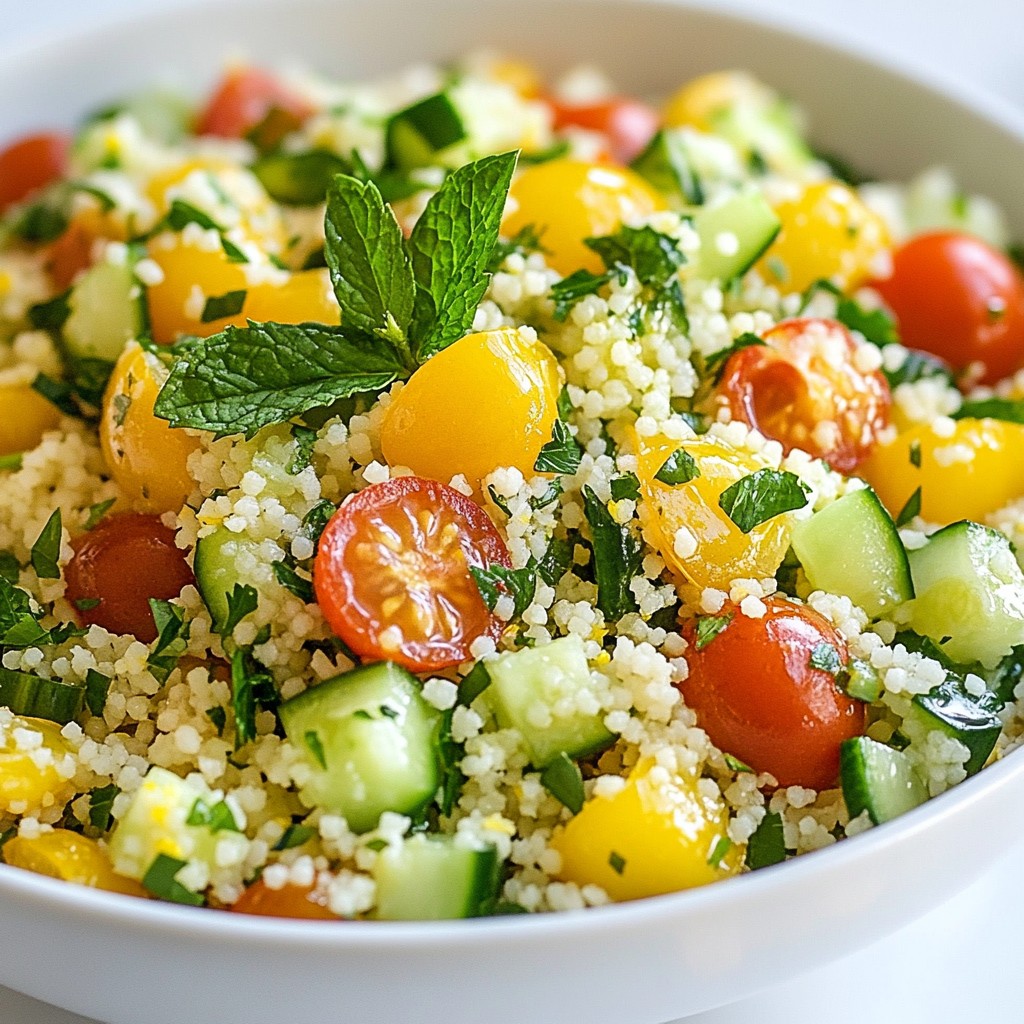
Are you ready to try a bright, tasty dish? My Lemon Herb Couscous Pilaf is both easy and full of flavor. This recipe features fresh ingredients that burst with zest and herbs. Plus, it’s perfect for sharing! Whether you serve it as a side or add your favorite protein, you’ll love how simple it is to make. Let’s dive into this delicious dish that’s sure to impress!
Why I Love This Recipe
- Fresh and Flavorful: This pilaf is bursting with fresh herbs and bright lemon flavor, making it a refreshing addition to any meal.
- Quick and Easy: With a total prep time of just 25 minutes, this dish is perfect for busy weeknights or last-minute gatherings.
- Versatile Side Dish: It pairs wonderfully with grilled meats, fish, or can be enjoyed on its own as a light vegetarian option.
- Healthy and Nutritious: This recipe is packed with vegetables and herbs, providing a nutritious boost to your diet.
Ingredients
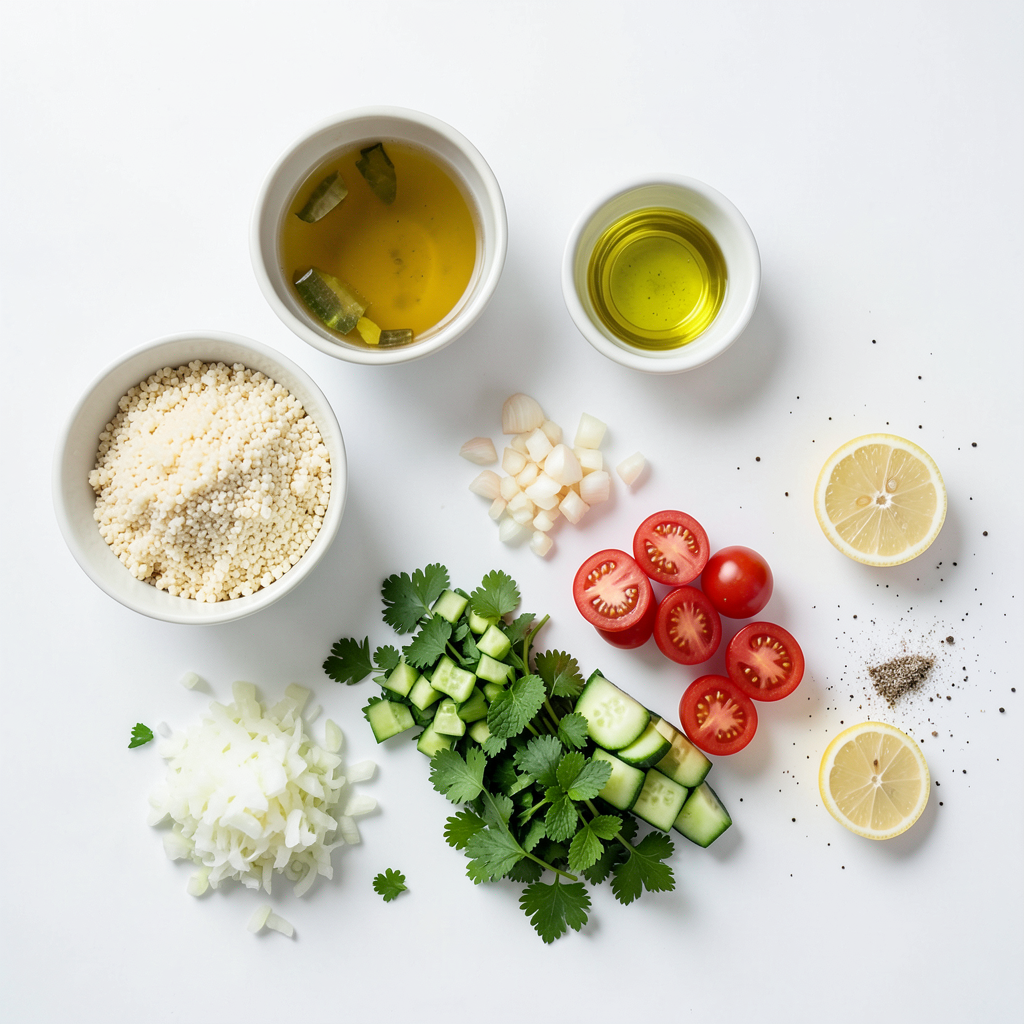
Here’s what you need to make a tasty Lemon Herb Couscous Pilaf:
- 1 cup couscous
- 1 1/4 cups vegetable broth
- 1 tablespoon extra virgin olive oil
- 1 small onion, finely chopped
- 2 cloves garlic, minced
- 1 cup cherry tomatoes, halved
- 1/2 cup cucumber, diced
- 1/4 cup fresh parsley, finely chopped
- 1/4 cup fresh mint, finely chopped
- Zest of 1 lemon
- Juice of 1 lemon
- Salt and pepper to taste
Each ingredient plays a big role in this dish. The couscous forms the base, while the vegetable broth adds rich flavor. Olive oil brings a silky texture. Onions and garlic give depth. Cherry tomatoes and cucumber add freshness. Parsley and mint lift the dish with herbal notes. Finally, the lemon zest and juice give it a zesty kick.
Gathering these ingredients is a fun first step. It’s like prepping for a little culinary adventure. Make sure everything is fresh for the best taste. You can find most of these items at your local store. Enjoy the process of choosing each one!
Step-by-Step Instructions
Cooking the Aromatics
Sautéing the Onion Start by warming the olive oil in a medium saucepan. Use medium heat for the best results. Once the oil is hot, add the finely chopped onion. Sauté the onion for about 5 minutes. Look for it to turn translucent and slightly golden. This step adds a sweet base flavor to your dish.
Adding Garlic Now, stir in the minced garlic. Cook it for an additional minute. You want the garlic to release its fragrant aroma. Be careful not to burn the garlic, as it can turn bitter. This mix of onion and garlic creates a tasty foundation for the couscous.
Preparing the Couscous
Boiling Vegetable Broth Next, pour in the vegetable broth and bring it to a rapid boil. This broth adds depth to the flavor. It should bubble nicely when you remove the pan from the heat. Once boiling, it's time to move to the next step.
Mixing in Couscous Quickly stir in the couscous. Make sure it's well combined with the broth. After mixing, cover the saucepan with a lid. Let it sit undisturbed for 5 minutes. This allows the couscous to absorb all the liquid and flavors.
Combining Ingredients
Fluffing the Couscous After 5 minutes, use a fork to fluff the couscous. This breaks up any clumps. Fluffing makes the couscous light and airy. Let it cool slightly while you prepare the other ingredients.
Mixing with Vegetables and Herbs In a large mixing bowl, combine the halved cherry tomatoes, diced cucumber, chopped parsley, and mint. Gently mix them to ensure even distribution. Then, add the fluffed couscous to the bowl. Don’t forget to add in the lemon zest and juice. Season with salt and pepper to taste. Use a gentle folding motion to toss everything together. This ensures all flavors blend well.
Tips & Tricks
Choosing the Right Couscous
Couscous comes in different types. The most common is Moroccan couscous. It cooks quickly and is light and fluffy. You can also find Israeli couscous, which is larger and chewier. I recommend using Moroccan couscous for this recipe.
To cook couscous perfectly, you need the right water-to-couscous ratio. Use 1 1/4 cups of vegetable broth for 1 cup of couscous. This ensures it absorbs enough liquid and becomes fluffy. Always let it sit covered for five minutes after adding the broth. This step is key for great texture.
Enhancing Flavor
To boost the taste of your couscous, consider adding more herbs. Fresh dill or chives can add a nice twist. You can also try basil for a different flavor profile. Mixing herbs keeps your dish exciting and fresh.
Spice variations can change the whole dish. For a kick, add red pepper flakes or cumin. Both spices pair well with lemon and herbs. Just a pinch can add depth to your couscous. Remember, start small; you can add more if you like it spicier.
Pro Tips
- Use Fresh Herbs: Fresh herbs like parsley and mint enhance the flavor profile of your couscous. Always opt for fresh over dried for the best taste and aroma.
- Customize Your Veggies: Feel free to swap in any seasonal vegetables you have on hand. Bell peppers, zucchini, or spinach can all add a delightful twist to this dish.
- Let It Chill: For an even more refreshing dish, let the couscous pilaf chill in the refrigerator for 30 minutes before serving. This allows the flavors to meld beautifully.
- Perfect Lemon Zest: Use a microplane to zest your lemon for the finest texture. This will release essential oils and provide a more vibrant lemon flavor in your dish.
Variations
Protein Additions
You can boost the nutrition of Lemon Herb Couscous Pilaf by adding protein. Here are two great options:
- Chickpeas: Add one cup of canned chickpeas, rinsed and drained. They bring a nutty taste and a nice texture. Plus, they add fiber and protein. Simply mix them in when combining the vegetables and couscous.
- Grilled Chicken: For a heartier dish, use grilled chicken. Dice one cup of cooked chicken breast and fold it into the pilaf. It adds a savory flavor that pairs well with the lemon and herbs.
Other Vegetable Options
Feel free to mix in different veggies to customize your pilaf. Here are two tasty choices:
- Bell Peppers: Dice one cup of bell peppers for a sweet and crunchy bite. Add them in with the tomatoes and cucumbers to make the dish colorful and fun.
- Spinach: Stir in one cup of fresh spinach for a healthy boost. Add it at the end, letting it wilt slightly from the heat of the couscous. This adds a lovely green color and extra vitamins.
These variations let you enjoy Lemon Herb Couscous Pilaf in new ways. Get creative and make it your own!
Storage Info
Refrigeration
To keep your lemon herb couscous pilaf fresh, store it in the fridge. First, let it cool down to room temperature. Next, place it in an airtight container. This will help keep out moisture and air. Properly stored, it lasts for about 3 to 5 days. If you want to keep it longer, consider freezing it. Just remember to use a freezer-safe container.
Reheating Methods
When you're ready to enjoy leftovers, reheating is key. You want to keep the couscous fluffy and moist. The best way to reheat is on the stove. Add a splash of vegetable broth or water to a pan. Heat it over low flame, stirring gently. This helps the couscous absorb the liquid. You can also use a microwave. Place the couscous in a bowl, add a bit of water, and cover it. Heat in short bursts, stirring in between, until warm. Avoid overheating, as it can make the couscous dry.
FAQs
What is couscous made from?
Couscous is made from durum wheat semolina. It is tiny, round grains. When cooked, couscous becomes fluffy and light. It often serves as a base for many dishes. Couscous is popular in North African cuisine. It absorbs flavors well, making it versatile in meals.
Can I make couscous pilaf in advance?
Yes, you can prepare couscous pilaf ahead of time. Cook the couscous and let it cool. Store it in an airtight container in the fridge. It stays fresh for about three days. When ready to serve, reheat it gently. You can add a splash of broth to keep it moist.
How do I make couscous gluten-free?
To make couscous gluten-free, use gluten-free alternatives. Try quinoa or rice couscous. Both options offer similar textures. You can cook them just like regular couscous. Follow the package instructions for best results. Enjoy your gluten-free dish without losing flavor!
This blog post covered how to make a tasty couscous dish. We discussed the key ingredients, like fresh veggies and herbs. I walked you through cooking aromatics and preparing the couscous step by step. You learned tips for choosing the right couscous and adding flavors. We also explored variations with proteins and vegetables. For storage, I shared best practices to keep leftovers fresh.
In the end, couscous is a quick and healthy meal option. Enjoy experimenting with your favorite ingredients!